The King's Madness at Kew
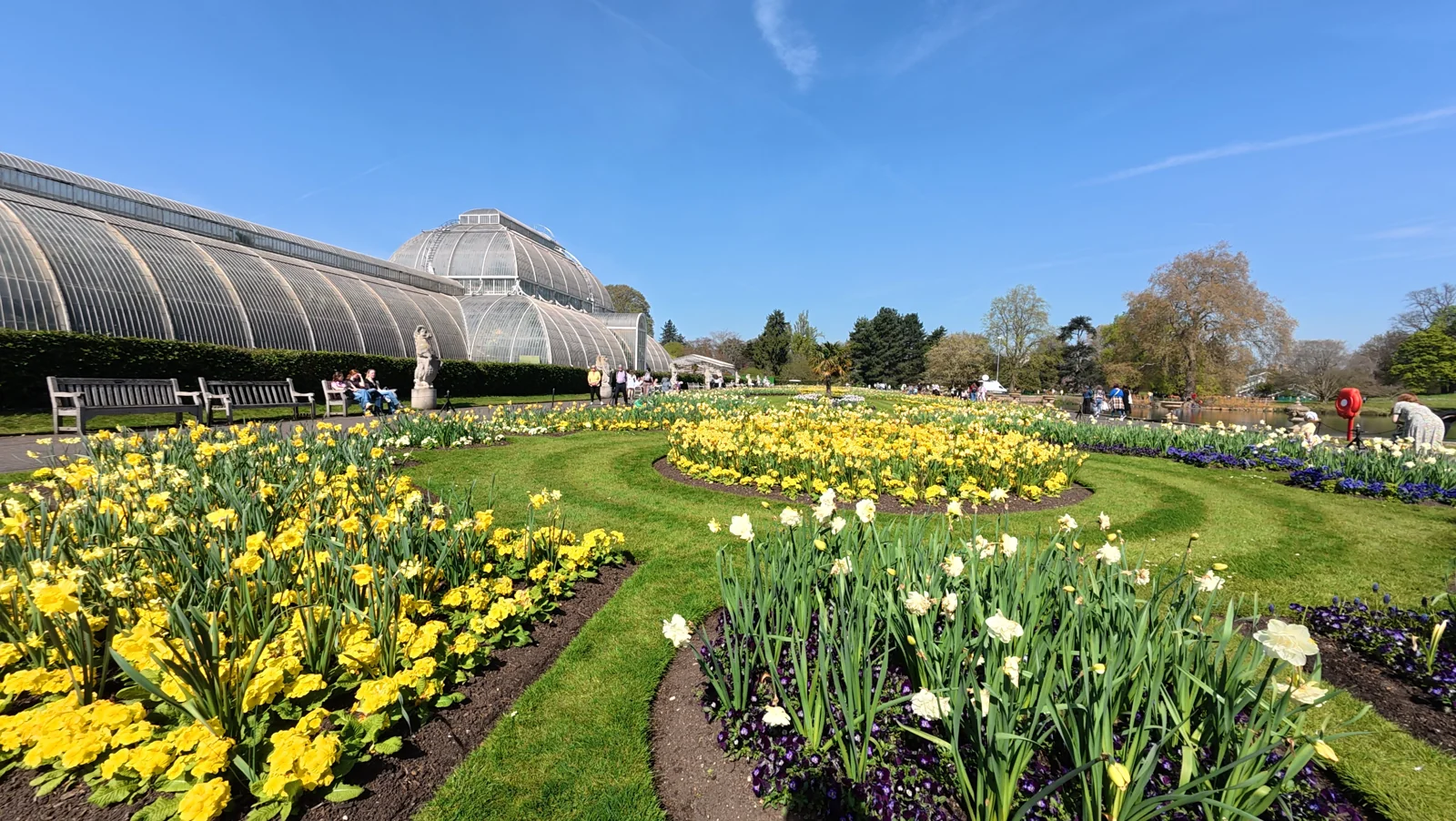
Kew Palace is associated with severe periods of George III's illness, particularly in 1804 and 1810–11, when the king's behaviour created a crisis of government. Contemporaries…
Practical guides, city routes and the author’s London research. Choose a subject, then open the complete article.
Kew Palace is associated with severe periods of George III's illness, particularly in 1804 and 1810–11, when the king's behaviour created a crisis of government. Contemporaries…
Elizabeth I died at Richmond Palace on 24 March 1603 after a reign of forty-four years. Accounts of her final days describe a queen reluctant to take to her bed and sitting for…
In Mitre Square early on 30 September 1888 the body of Catherine Eddowes was found, the second woman killed during the so-called “double event.” The square lay within the City…
Mary Jane Kelly was murdered on 9 November 1888 in a small room in Miller's Court off Dorset Street. Unlike the other canonical victims, she was indoors, and the crime-scene…
In December 1811 two households were murdered near Ratcliffe Highway, provoking fear of random violence and an extraordinary London manhunt. The suspected sailor John Williams…
Dr Hawley Harvey Crippen lived with his wife Cora at 39 Hilldrop Crescent. After her disappearance in 1910 he sailed for Canada with Ethel Le Neve disguised as a boy, but the…
Walter Sickert titled a painting and group of works “The Camden Town Murder” after Emily Dimmock's death in 1907, but his sombre interiors are not depictions of the crime itself.…
In 1849 Frederick and Maria Manning murdered Patrick O'Connor and concealed his body beneath the kitchen flagstones of a house in Bermondsey. They fled separately, were captured,…
10 Rillington Place was both the scene of John Christie's crimes and the centre of one of twentieth-century Britain's most disturbing miscarriages of justice. Timothy Evans was…
In 1983 a blocked drain at 23 Cranley Gardens brought a plumber who discovered human remains. Resident Dennis Nilsen confessed to a series of murders of men committed first at…
The Blind Beggar entered criminal history on 9 March 1966 when Ronnie Kray shot George Cornell in the saloon bar. The killing belonged to a struggle between London criminal groups…
In January 1911 armed revolutionaries linked to Latvian underground groups were trapped by police in a Sidney Street house after a jewellery robbery and the murder of officers at…
Explore London activities and day trips, or browse destinations on GetYourGuide. Compare the actual programme before booking.
Advertisement · These are affiliate links. Tell Me UK may receive a commission if you make an eligible booking. Prices, availability, inclusions, language and cancellation conditions are set by the provider; verify them on the booking page.